
Whole home automation and control in Sydney
Whole home automation means the lighting, blinds, climate, audio, security and access in a house run as one system, from one set of keypads and one app. It's the difference between a house with a lot of technology in it and a house that works.
What it looks like in a day
Morning. The bedroom blinds lift at the time you set, the kitchen lights come up at a low level and the heating in the living areas has been running for twenty minutes.
Leaving. One button at the door turns everything off, closes the blinds on the street side, arms the alarm and drops the air conditioning to setback.
Evening. The garden and façade lighting follow sunset. A press at the dining table sets the room, music comes up in the living areas and the kitchen downlights dim.
Night. Goodnight turns off every light in the house, checks the doors, arms the perimeter and leaves a low path to the ensuite on the sensors.
The keypad is still the main control. The app is there for when you're away or in bed, but a well-designed house shouldn't need a phone to turn on a light. Each keypad is engraved for its room, and the buttons do the same thing in every room so nobody has to learn the house twice.
It keeps working without the internet. Lighting, blinds and climate run locally on the control bus. The internet is only needed for remote access and voice assistants.
What gets connected
Lighting
Every circuit dimmed or switched from the system, grouped into scenes per room and per house.
Read moreBlinds and curtains
Wired motors on the same keypads, with scenes for privacy, heat and glare.
Read moreClimate
Ducted and split systems scheduled by zone and tied to occupancy and the blinds.
Read moreAudio and cinema
Music by room from the rack; the cinema sets its own lighting.
Read moreSecurity and access
Alarm arming, CCTV, intercom and gates, visible and controllable in the same app.
Read moreThe network
A properly designed network is what every one of these systems depends on.
Read moreWhich platform suits which house
There's no single best system. There's the right one for the house, the budget and the people living in it. These are the platforms we design on, and when we'd recommend each.
KNX
An open standard with hundreds of manufacturers, programmed in ETS and wired on its own bus. Our first choice for new builds that want the widest choice of keypads and sensors and a system any KNX integrator can service in twenty years.
Dynalite and DALI
Lighting-led control with excellent dimming. DALI gives every fitting its own address, which suits architectural lighting with a lot of feature light. Common in the houses we service.
C-Bus
Clipsal's Australian system, still widely installed. The right call when a house already has C-Bus that's worth extending, rather than starting again.
Savant
The interface layer. Savant runs the app, touch panels, audio and video, and talks to KNX or Dynalite underneath. Beautiful to use, and the part the client actually touches every day.
On most whole-home projects we pair a wired lighting and control platform (KNX or Dynalite) with Savant as the interface. The wired layer is the part that has to be bulletproof. Savant is the part that has to be a pleasure to use.
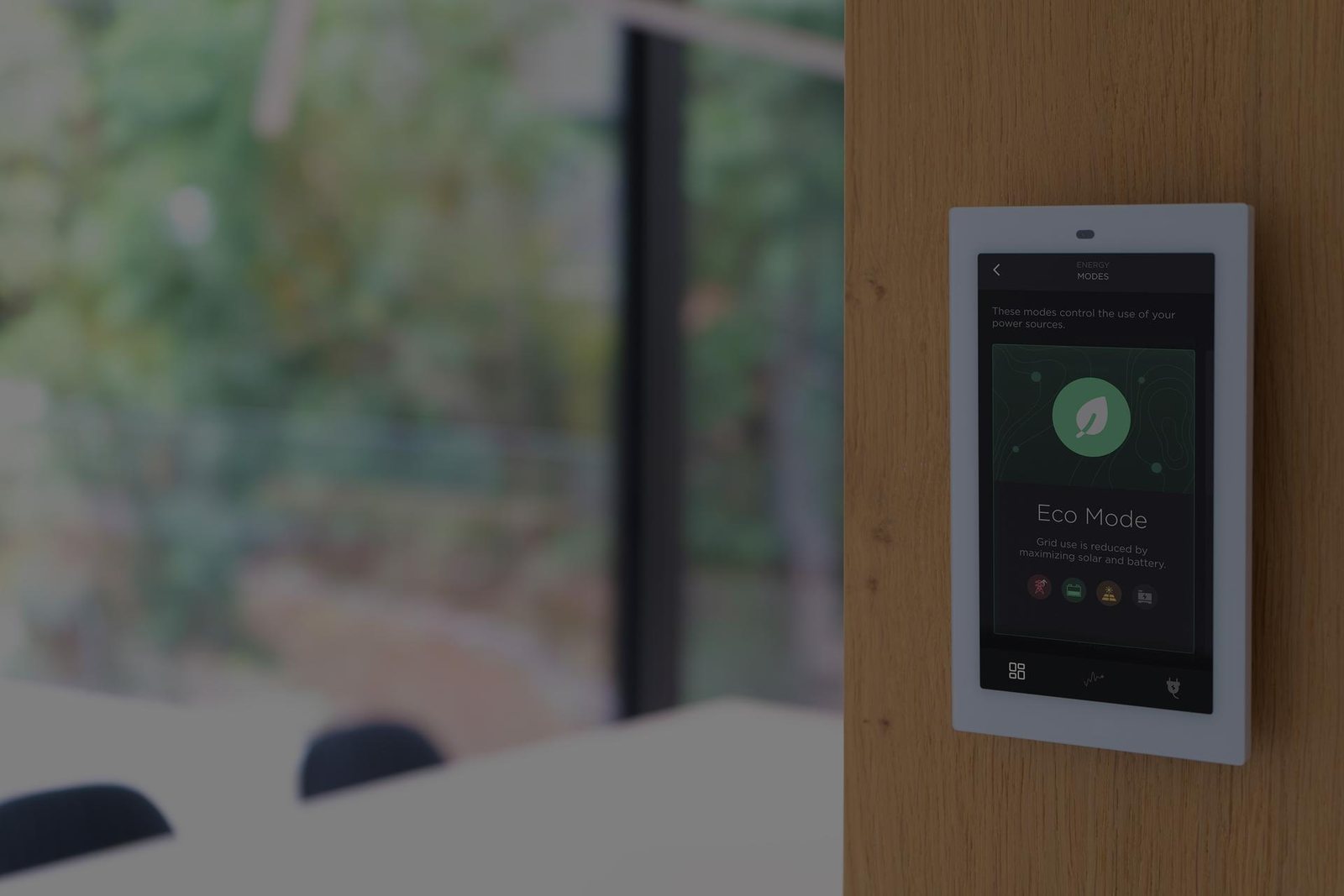
The part you touch every day
Savant is the layer the family actually uses: one app on phones and iPads, a handheld remote in the living room, and touch panels where a keypad isn't enough. Lighting, blinds, climate, music, TV and cameras sit in one place with one look, whichever system runs them underneath.
We put KNX or Dynalite under it for the wiring-level control and Savant on top for scenes, schedules and the interface. That pairing is what most of our whole-home projects run on.
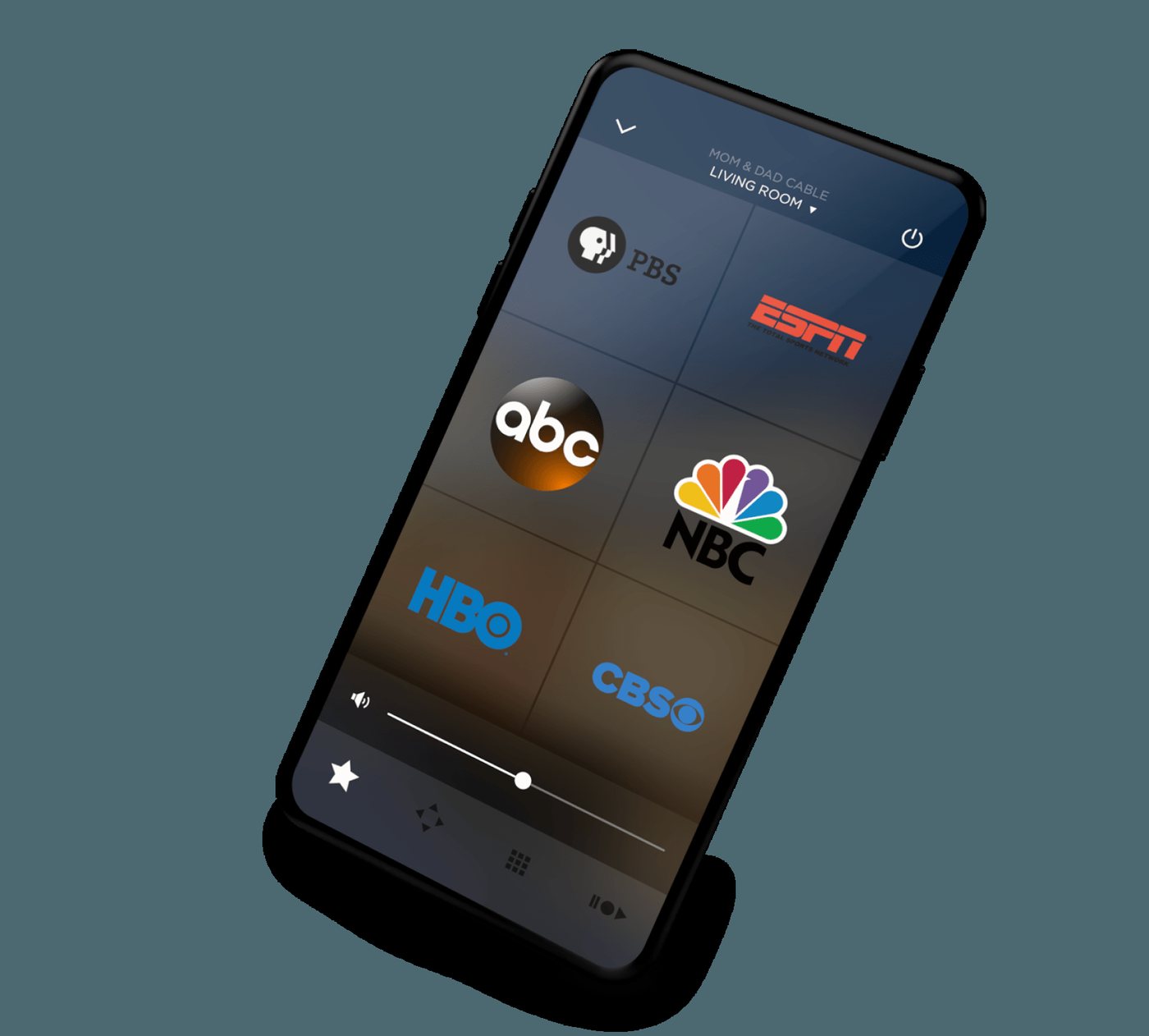
One screen for the whole system
TV, music and lighting from the same remote or phone, no juggling apps.
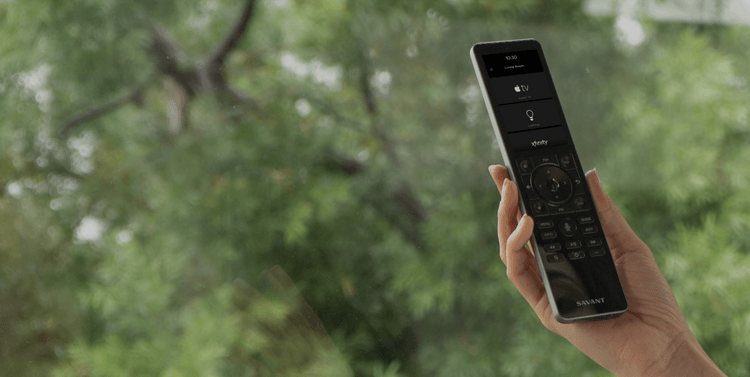
One remote for the room
Lights, blinds, TV and music from the sofa, without hunting for a phone.
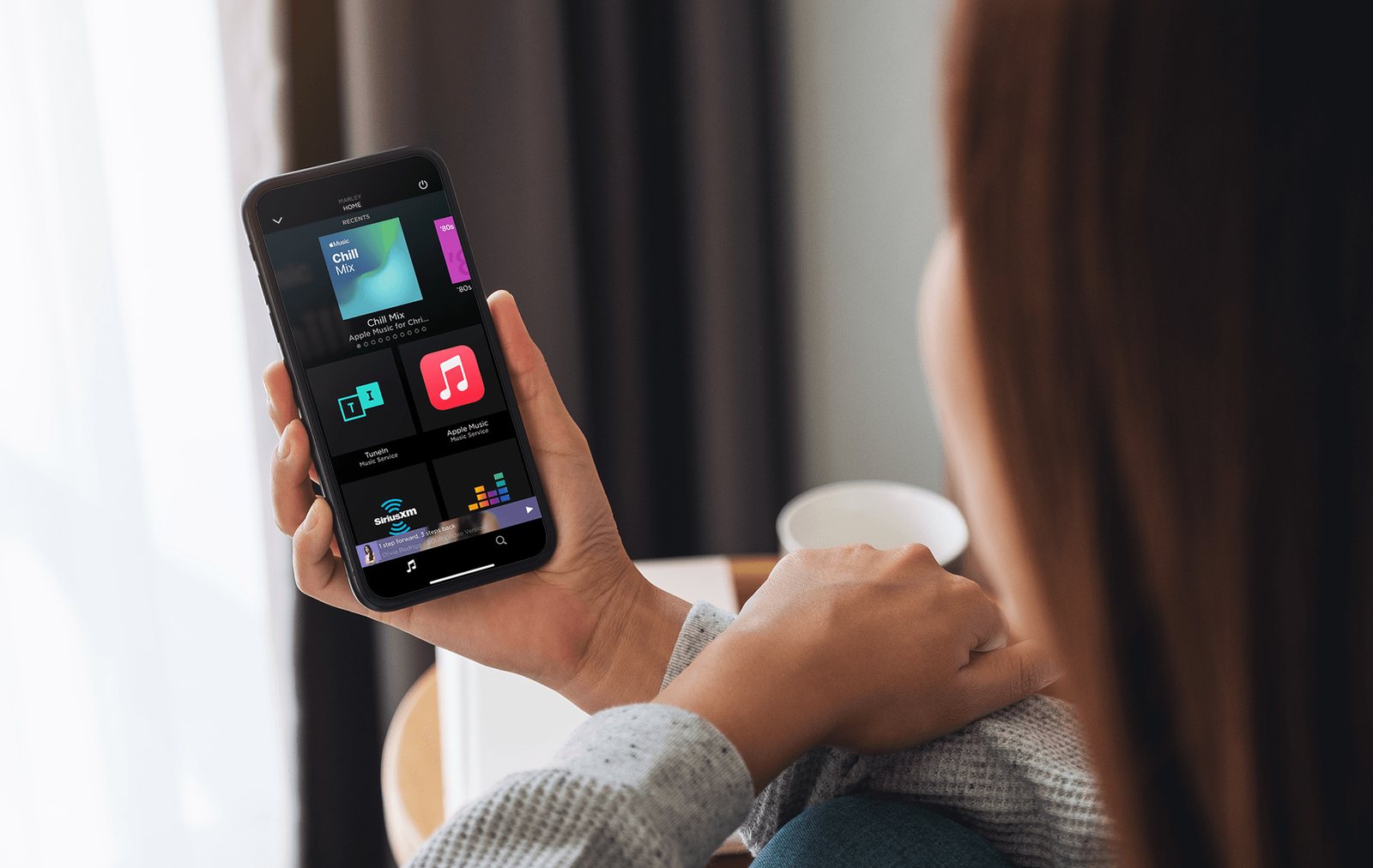
Music in every room
Streaming services and your own library by zone, from the app or a keypad press.

Home is a touch away
Check the house, let someone in, or turn everything off from wherever you are.
The switch is part of the interior. Basalte treats it that way.
Basalte, for the rooms where the finish matters
Basalte is a Belgian maker of keypads, touch panels and sensors that are native KNX, so they sit directly on the same bus as the lighting and blinds with nothing translating in between, plus a door station and iPad mount that match.
The metal is solid: brushed aluminium, bronze, brass, nickel or fer forgé, carried across every device in the house. We specify Basalte when a client wants the control to disappear into the joinery and the architecture rather than announce itself.
- Sentido and Fibonacci keypads, engraved for each room
- Ellie touch panel for climate, light, blinds and music
- Adelante door station, Auro sensor, Eve iPad mount
- Twelve finishes, one look through the whole house
- Native KNX keypads: no gateway, no extra failure point
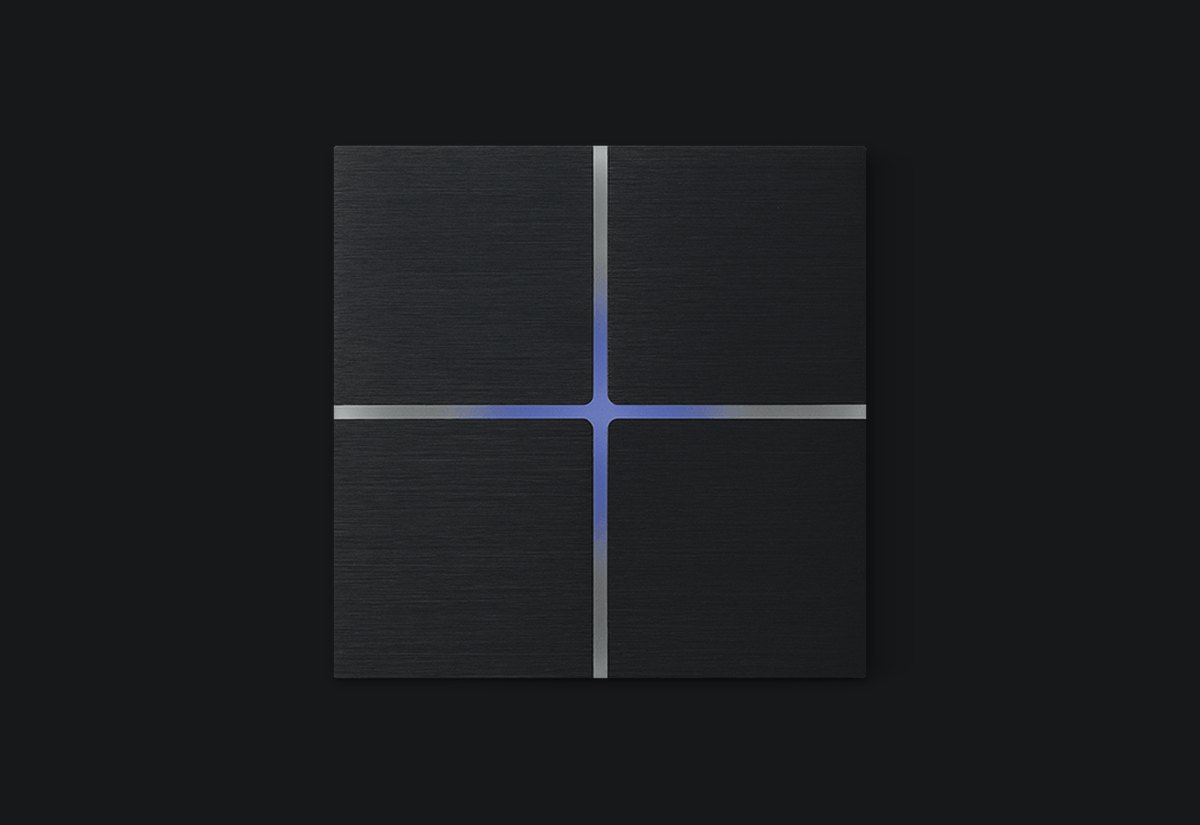
Sentido
A touch-sensitive switch in solid metal. Two or four zones and no visible buttons.

Fibonacci
Labelled keys that tell you what they do, in the same finishes as Sentido.
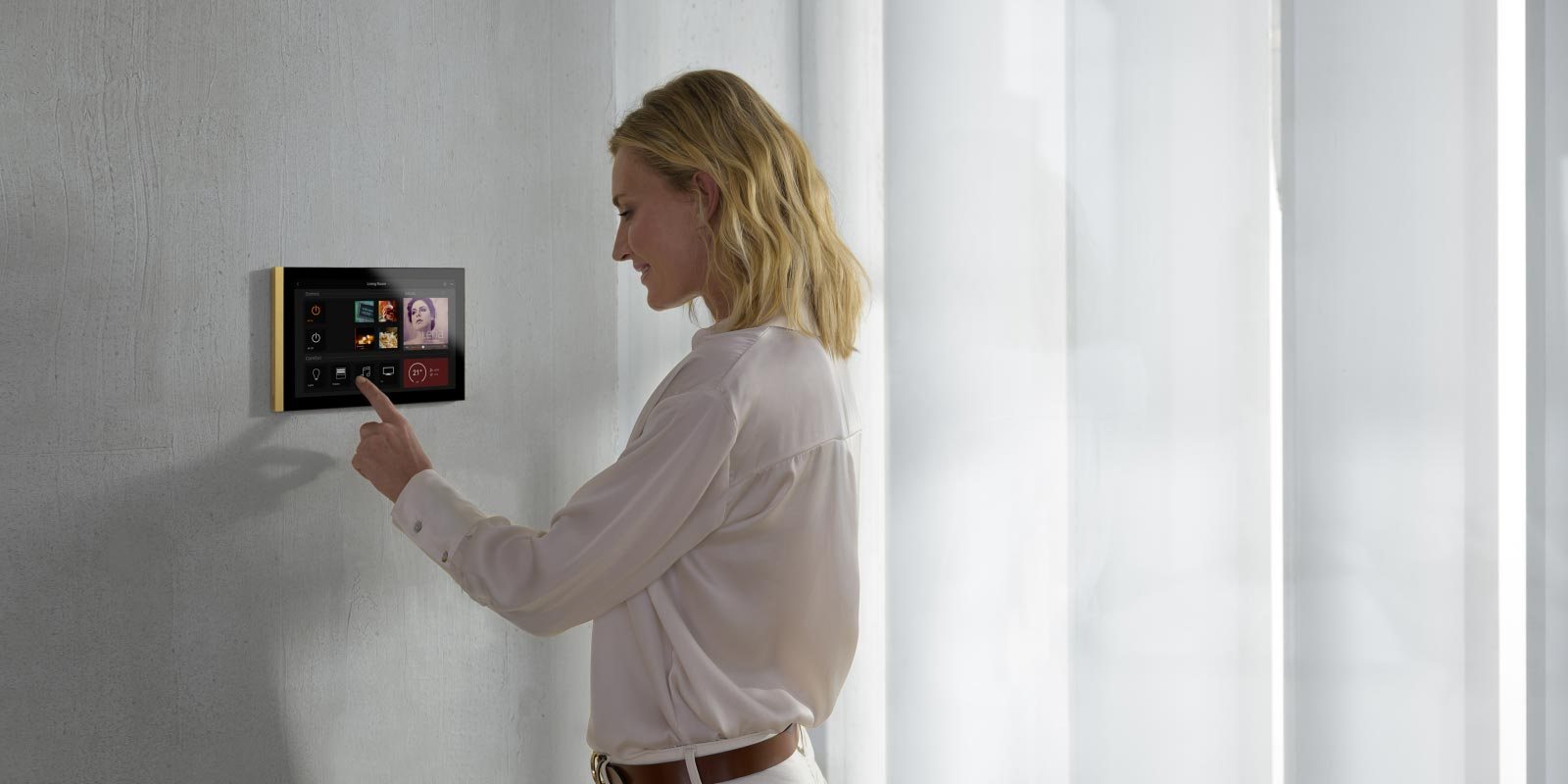
Ellie
A compact touch panel for climate, lighting, blinds and music in the room.
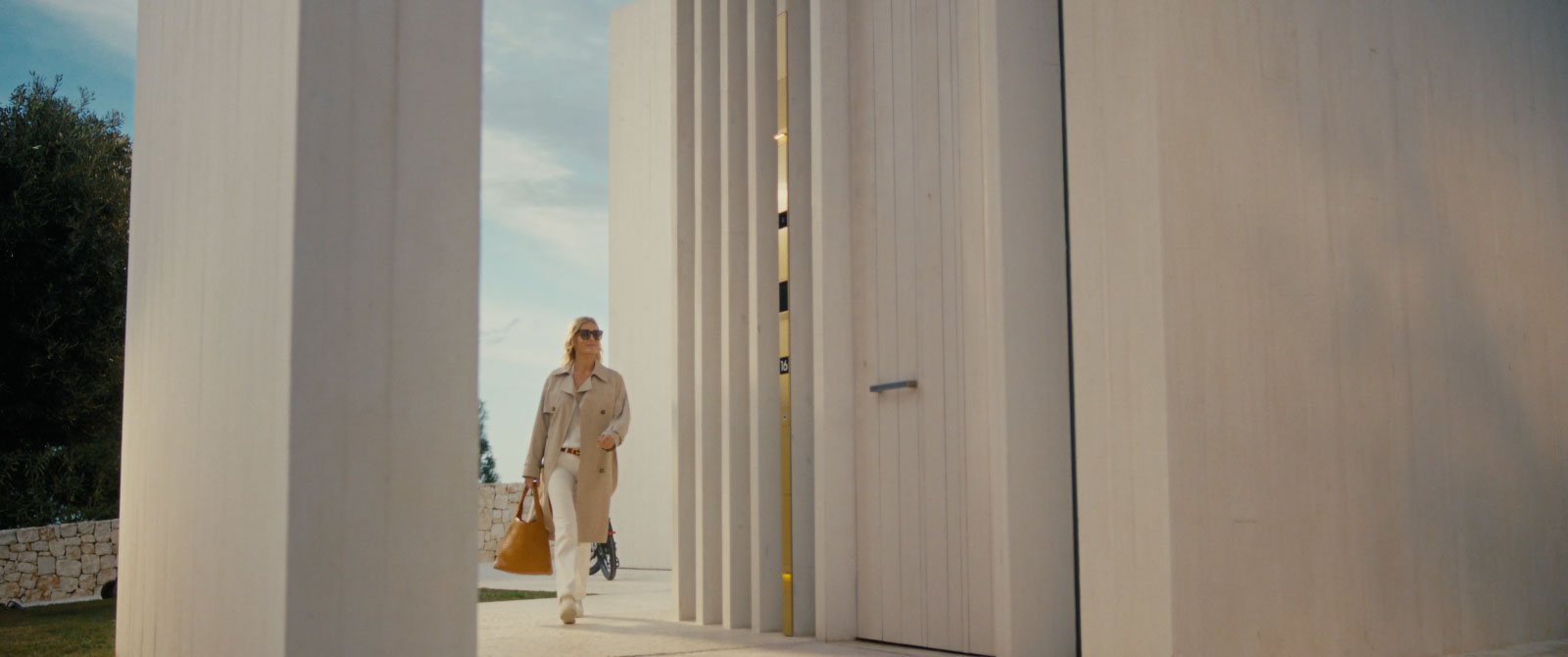
Adelante
A door station with camera that matches the keypads inside.
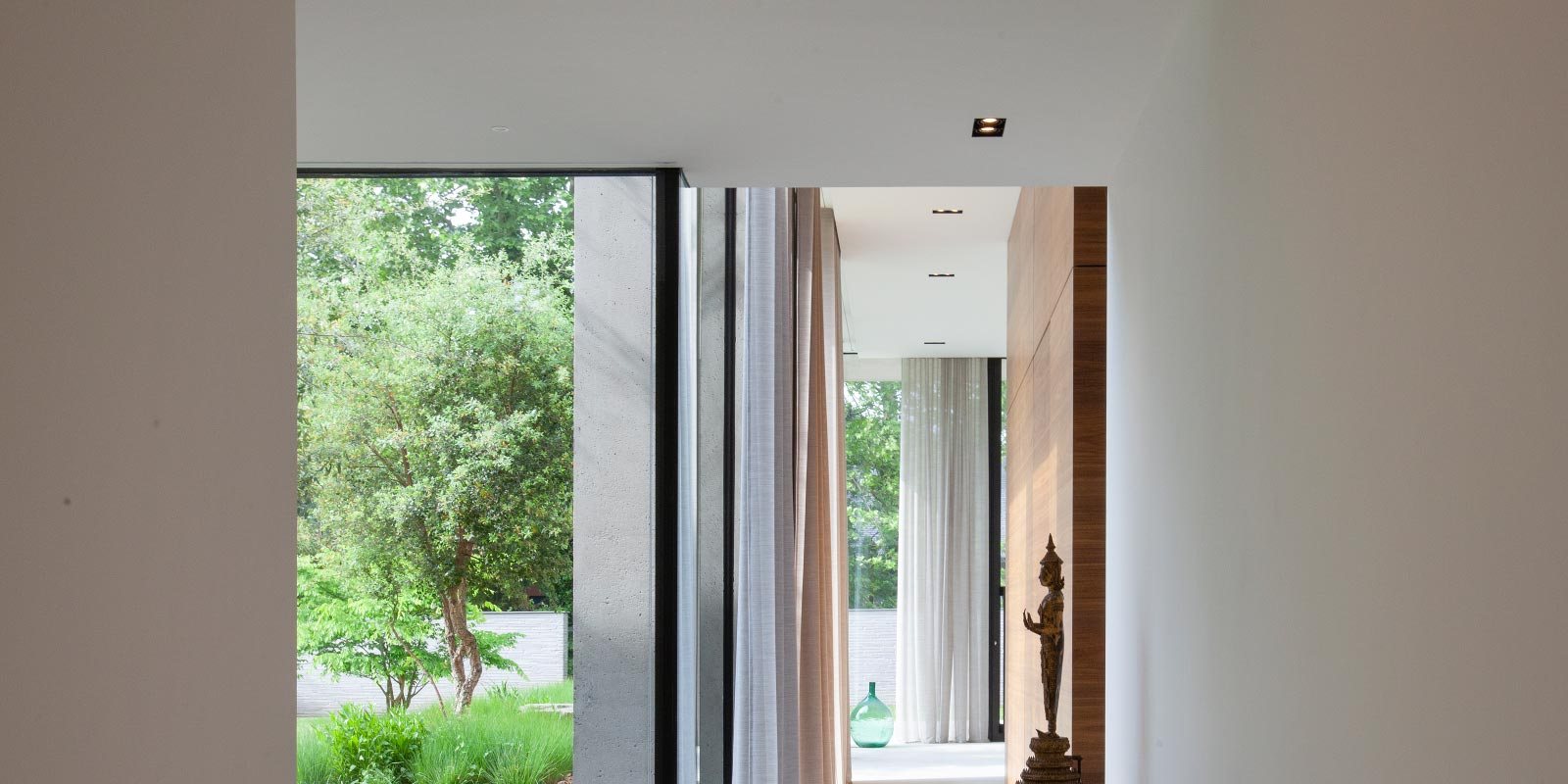
Auro
A motion sensor that doubles as a soft night light on the way to the bathroom.

Eve
An iPad mount that turns the tablet into a flush wall control.
When to start the conversation
Whole home control is cheapest and best when it's designed with the house. The decisions that matter are made early: where the rack goes, how many circuits the lighting design needs, which windows get motors, where the keypads sit against the joinery.
Ideally we're involved at design development, before the electrical tender goes out. We document to switchboard and group address level so the electrician prices and builds from our drawings.
- Rack location and ventilation
- Lighting circuits and dimming types
- Keypad positions and engraving
- Window motors and cable to each head
- Ceiling speaker and cinema positions
- Conduit for anything you might add later
Questions we get asked
What is a whole home control system?
A single system that controls lighting, blinds, climate, audio, security and access together, from shared keypads, touch panels and one app. Scenes can act across all of them at once.
Does whole home control need the internet to work?
No. A properly designed system runs locally. The keypads, lighting, blinds and climate keep working if the internet drops. You only lose remote access and voice control until it's back.
Can you add whole home control to an existing house?
Often, yes. It depends on what can be cabled without opening finished walls. Wireless and retrofit hardware fills some gaps, and an existing C-Bus or Dynalite system can usually be kept and brought under a new interface.
What's the difference between KNX and Savant?
KNX is the wired control layer that switches and dims the lighting and runs the blinds and climate. Savant is the interface on top: the app, touch panels, audio and video. They're often used together.
How long does it take to program?
Most of the programming is prepared before we get to site. On site, commissioning a whole-home system usually takes several days, followed by a handover walkthrough and a short list of changes once you've lived with it.
Start with the drawings
Send the plans or tell us where the project is up to. A short conversation is usually enough to tell whether and how we can help.